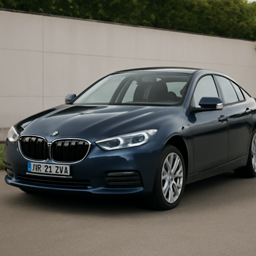
BMW 218d
Coupe · Diesel
vs
Mercedes-Benz CLS 300
Coupe · Diesel
BMW 218d
Car A
BMW 218d
The BMW 218d is a compact diesel coupe that blends low consumption with adequate performance and everyday usability. It suits buyers seeking good value in its segment without sacrificing a usable rear seat and trunk.

5 seatsCoupeDiesel5-star safety4.5 L/100km
Mercedes-Benz CLS 300
Car B
Mercedes-Benz CLS 300
Efficient for its class yet quick, the Mercedes-Benz CLS 300 diesel suits premium buyers who cover long highway miles and need real luggage space. Less compelling if you want winter-ready traction or SUV-like family flexibility.
5 seatsCoupeDiesel272 hp
Why compared same body typesame powertrainsame ranking profilesame seatsstrong ranking match

Usage fit

Family 49 / 25
City 47 / 27
Budget / value 66 / 34
Road trip 42 / 41
Performance 35 / 39
Cargo 22 / 30
Practical 37 / 27
Premium 45 / 54
Winter 26 / 18

Scores out of 100. Blue = BMW 218d · Orange = Mercedes-Benz CLS 300

Specs side-by-side

Spec BMW 218d Mercedes-Benz CLS 300
Values are representative — confirm for your market and trim.

Pros & cons

BMW 218d

  • Excellent fuel efficiency for its class (4.5 L/100 km).
  • Responsive enough for daily driving (0–100 km/h in 8.0 s).
  • Five seats and a 405 L trunk make it practical for a compact coupe.
  • Good value in its segment at this price point.

Mercedes-Benz CLS 300

  • Efficient for its class at 5.5 L/100 km for long commutes and road trips
  • Strong acceleration (0–100 km/h in 5.8 s) with 272 hp for confident overtakes
  • Spacious 550 L trunk supports weekend luggage and business travel
  • Five-seat capacity adds day-to-day practicality in a premium model

Verdict

Pick BMW 218d if…
Best fuel economy
BMW 218d uses 4.5 L/100km vs 5.5 — a meaningful saving if you cover high mileage.
Pick Mercedes-Benz CLS 300 if…
More power
Mercedes-Benz CLS 300 puts out 272 hp vs 150 — meaningfully quicker and more confident on motorways.

Related comparisons