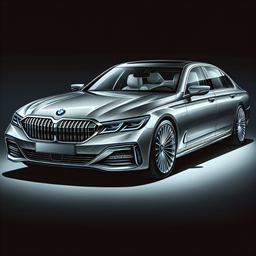
Mercedes-Benz CLS 250
Sedan · Diesel · FWD
vs
BMW 520i
Sedan · Gasoline · FWD
Mercedes-Benz CLS 250
Car A
Mercedes-Benz CLS 250
The Mercedes-Benz CLS 250 blends an efficient diesel (5.5 combined consumption) with relaxed performance for premium road trips. A 520 L trunk and five seats aid family use, but FWD and a premium price won’t suit everyone.
5 seatsSedanDiesel5-star safety5.5 L/100km204 hp
BMW 520i
Car B
BMW 520i
The BMW 520i is an efficient five-seat saloon that suits road trips and growing families. Its balanced performance and 530 L boot make it good value in its segment.
5 seatsSedanGasoline5-star safety
Why compared cross branddifferent powertrainsame body typesame seats

Usage fit

Family 54 / 63
City 35 / 37
Budget / value 34 / 54
Road trip 63 / 64
Performance 34 / 33
Cargo 29 / 29
Practical 35 / 46
Premium 60 / 57
Winter 30 / 30

Scores out of 100. Blue = Mercedes-Benz CLS 250 · Orange = BMW 520i

Specs side-by-side

Spec Mercedes-Benz CLS 250 BMW 520i
Values are representative — confirm for your market and trim.

Pros & cons

Mercedes-Benz CLS 250

  • Low combined consumption (5.5) makes long journeys efficient for its class
  • Strong safety standing in its segment
  • 520 L trunk and five seats support family road trips
  • Torquey diesel (500 Nm) and 7.5 s 0–100 km/h enable confident overtakes

BMW 520i

  • Efficient for its class at 6 L/100 km, ideal for long-distance driving
  • 530 L trunk handles family luggage for holidays and weekends
  • Adequate pace for highways (184 hp, 0–100 km/h in 7.9 s, 235 km/h top speed)
  • At about 55,000, it represents good value in its segment

Verdict

Pick Mercedes-Benz CLS 250 if…
Best fuel economy
Mercedes-Benz CLS 250 uses 5.5 L/100km vs 6.0 — a meaningful saving if you cover high mileage.
Pick BMW 520i if…
Performance & capability
BMW 520i is the choice if you want more power, speed, or all-weather capability.

Related comparisons